Welcome to zctower
Language:
 ∷
∷

∷
 ∷
∷


Plastic seals are widely used tamper-evident security devices designed to protect goods, assets, and equipment across a variety of industries. These seals serve one primary purpose: to indicate whether an item has been opened, accessed, or altered without authorization. Affordable, lightweight, and easy to apply, plastic seals have become essential tools for modern logistics, transportation, retail operations, banking, aviation, and healthcare systems.
Plastic seals are typically made from high-strength polypropylene (PP) or nylon, giving them durability and resistance to environmental changes. Their built-in locking mechanisms—such as adjustable straps, pull-tight ratchets, or fixed-length locks—ensure that the seal cannot be removed without breaking. This irreversible damage makes tampering immediately noticeable, which is the core reason they are used for day-to-day security.
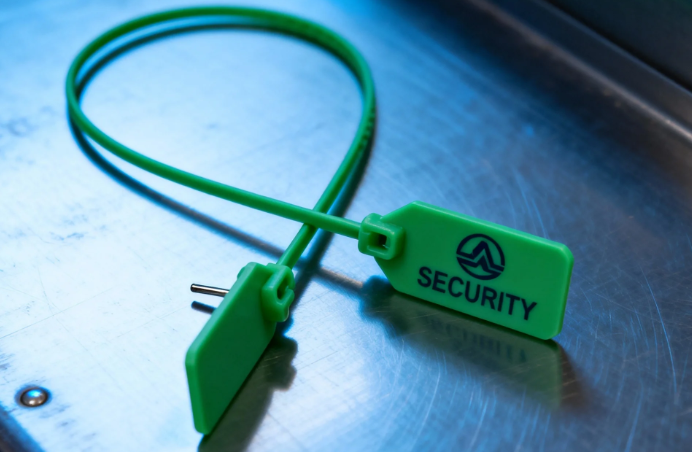
One of the most common uses of plastic seals is in the logistics and transportation sector. Couriers and freight companies use them to secure cargo bags, truck doors, containers, and distribution boxes. When goods move through multiple checkpoints, the seal provides a clear visual indicator that the shipment remained intact throughout the journey. If a seal is broken, the receiving team can quickly identify potential tampering and take corrective action.
In the retail and commercial industries, plastic seals help prevent unauthorized access to storage rooms, cash boxes, first-aid kits, and sensitive equipment. Many supermarkets and chain stores rely on plastic seals to secure emergency exits, lockers, or consumable supplies. Their low cost makes them ideal for high-volume daily use.
Plastic seals are also critical in banking and cash-handling environments. Money bags, ATM cassettes, deposit envelopes, and document pouches are sealed to prevent manipulation during transport. The seals usually feature unique serial numbers or barcodes to enhance traceability, enabling auditors to verify whether the correct seal was used and whether it was compromised.
In healthcare, plastic seals play an important role in patient safety and compliance. Hospitals use them on medication kits, medical equipment, and biohazard containers. By ensuring items remain unopened until needed, the seals help maintain sterile conditions and protect both staff and patients.
The aviation industry also relies heavily on plastic seals. Airline trolleys, catering carts, life-saving equipment, and luggage storage areas are often sealed to ensure that supplies are not tampered with between flights. This contributes to passenger safety as well as accurate inventory tracking.
In industrial and energy sectors, plastic seals are used on electrical meters, water meters, fuel tanks, and valves to prevent unauthorized adjustments. The seal acts as a visual barrier, discouraging tampering and enabling inspectors to verify system integrity quickly.
Ultimately, plastic seals are used to protect assets, maintain accountability, enhance traceability, and support compliance with safety standards. Their effectiveness, low cost, and versatility make them indispensable for businesses that need reliable tamper-evident protection. Whether securing small pouches or large containers, plastic seals offer a simple but powerful solution to preventing unauthorized access.
Contact: Cherry Deng
Phone: +86 15305911267
Tel: +86 0591-83656592
Email: cherry@zcsecurityseals.com
Add: NO.136 FuGuang Road, distrito JinAn FuZhou, FuJian