Welcome to zctower
Language:
 ∷
∷

∷
 ∷
∷


Before understanding electronic Lead Seals, it is important to first understand what RFID is.
RFID generally refers to Radio Frequency Identification technology, a communication technology that uses radio signals to identify specific targets and read or write related data. One of the key advantages of RFID is that it does not require mechanical or optical contact between the identification system and the target.
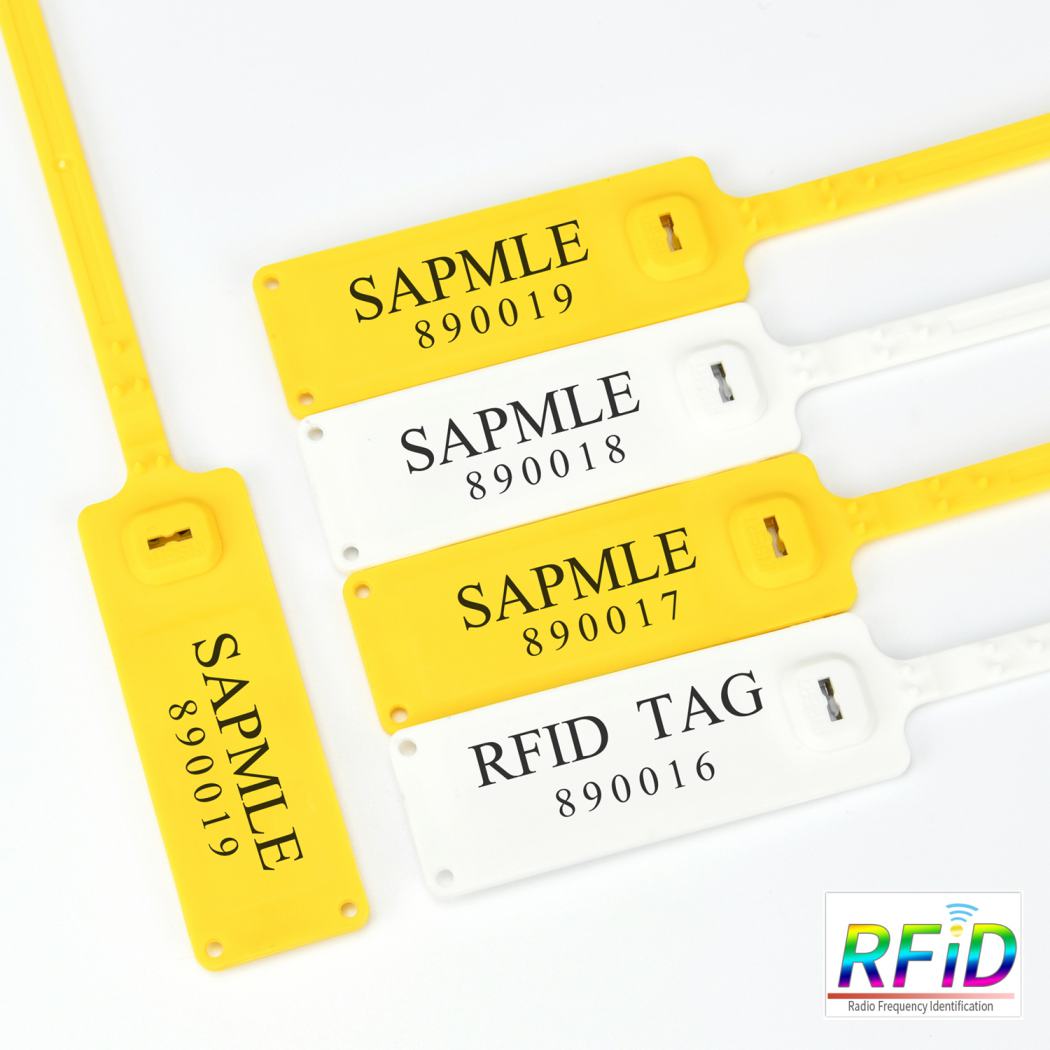
RFID technology is widely used in everyday life. Common examples include public transportation cards, campus smart cards that enable cashless transactions, electronic tickets, electronic identity cards, remote-controlled door locks, property management systems in residential communities, and building access control systems. These applications help reduce manual work, improve efficiency, and minimize errors.
In the logistics and transportation industry, RFID technology has become particularly important.
Traditionally, lead seals were implemented by using steel wire seals marked with printed text or patterns. However, with current manufacturing capabilities, copying such seals is relatively easy. As a result, traditional seals can be vulnerable to tampering or replacement by criminals.
In many cases, illegal activities such as electricity theft, water theft, gas theft, or fuel theft are carried out by privately replacing seals, causing significant financial losses to utility companies and logistics operators.
Because of these limitations, traditional wire seals are gradually becoming outdated and are slowly being phased out of the market.
Electronic seals solve this problem by utilizing the unique identification capability of RFID technology. Each RFID chip is assigned a globally unique identification number by the manufacturer, making duplication extremely difficult. For additional security, encrypted keys can also be stored inside the RFID chip, providing an extra layer of protection.
With the development of RFID technology, intelligent RFID chips can now be integrated into steel wire seals, creating smart electronic wire seals. These seals offer advanced features such as remote identification, tamper-resistant codes, anti-counterfeiting protection, and enhanced security.
RFID electronic seals enable companies to monitor and manage containers more efficiently, accurately, and securely throughout the transportation process. By using wireless mobile terminals equipped with RFID reading and writing capabilities, operators can perform various management functions, including permission control, seal application management, inspection management, seal removal management, data downloading, and information verification.
Overall, RFID electronic seals significantly improve operational efficiency, enhance security levels, and help ensure the safety of goods throughout the entire logistics and transportation process.
Contact: Cherry Deng
Phone: +86 15305911267
Tel: +86 0591-83656592
Email: cherry@zcsecurityseals.com
Add: NO.136 FuGuang Road, distrito JinAn FuZhou, FuJian