Welcome to zctower
Language:
 ∷
∷

∷
 ∷
∷


Meter seals are essential for maintaining the integrity of utility meters. They prevent unauthorized access, ensuring accurate billing and protecting the utility company's interests. However, there are legitimate scenarios, such as meter servicing by authorized technicians, where the seal needs to be removed without causing damage.
Plastic Seals: These are common and usually consist of a plastic body with a locking mechanism. Some plastic seals have a thin, flexible part that can be cut, while others rely on a more complex locking system.
Metal Seals: Metal seals are more durable and often used in high - security applications. They may be made of stainless steel or other strong metals and can be more difficult to remove without damage.
Tamper - Evident Labels: In addition to physical seals, some meters use tamper - evident labels. These labels change color or show signs of tampering when removed.
For Plastic Seals: A pair of fine - tipped pliers can be useful for manipulating the locking mechanism of plastic seals. If the seal has a thin plastic strip that needs to be cut, a sharp, small - bladed cutter can be used. However, extreme caution should be exercised to avoid cutting too close to the meter or causing damage to the seal's locking components.
For Metal Seals: Specialized seal - removal tools, such as those designed to fit the specific shape of the metal seal's locking mechanism, are required. In some cases, a small - sized hacksaw might be used, but this should be a last resort as it has a higher risk of causing damage.
For Tamper - Evident Labels: A heat gun or a hair dryer can be used to soften the adhesive of the label. A thin, flat object like a plastic card can then be used to gently lift the label from the meter surface.
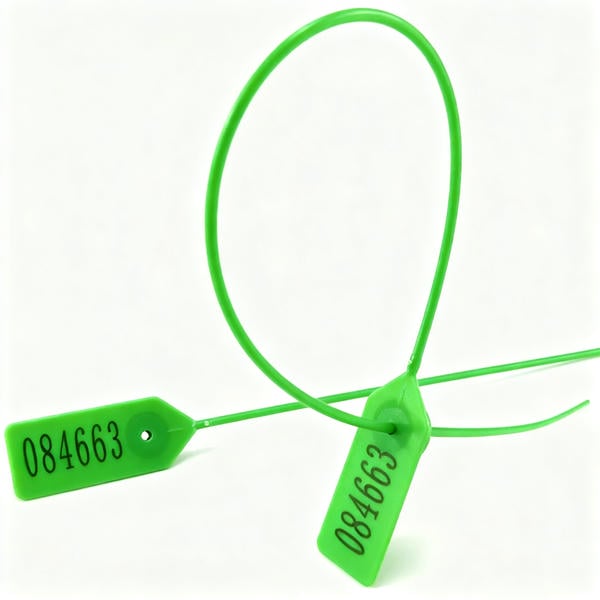
Examine the seal carefully to identify the locking mechanism. Some seals have a small tab or lever that, when pressed or manipulated with pliers, releases the lock.
If the seal has a cut - able part, position the cutter as close as possible to the locking area without touching the meter. Make a clean cut, ensuring that the remaining part of the seal can be easily removed.
After removal, check the seal for any signs of damage to ensure it can be reused if required.
Insert the appropriate seal - removal tool into the locking mechanism of the metal seal. Apply gentle, even pressure to unlock the seal. This may require some trial and error to find the right angle and amount of pressure.
If using a hacksaw, carefully position the blade to cut through the metal seal in a way that minimizes damage to the meter and the surrounding area. Cool the seal with water during cutting to prevent overheating.
Once the seal is removed, inspect it for any signs of wear or damage that may affect its reuse.
Set the heat gun or hair dryer to a low - heat setting. Hold it about 10 - 15 centimeters away from the label and move it in a circular motion to evenly heat the adhesive.
After a minute or two, test the label's adhesion by gently trying to lift one corner with a plastic card. If it starts to lift easily, continue to heat and lift the label slowly, being careful not to tear it.
Once the label is removed, clean the meter surface of any remaining adhesive residue.
Authorization: Always ensure that you have proper authorization from the utility company or relevant authority to remove the meter seal. Unauthorized removal is illegal and can lead to serious consequences.
Documentation: Keep records of the seal removal, including the date, time, reason for removal, and the condition of the seal before and after removal. This documentation may be required for auditing purposes.
Contact: Cherry Deng
Phone: +86 15305911267
Tel: +86 0591-83656592
Email: cherry@zcsecurityseals.com
Add: NO.136 FuGuang Road, distrito JinAn FuZhou, FuJian